Selling an Agriculture or Food Processing Business in BC
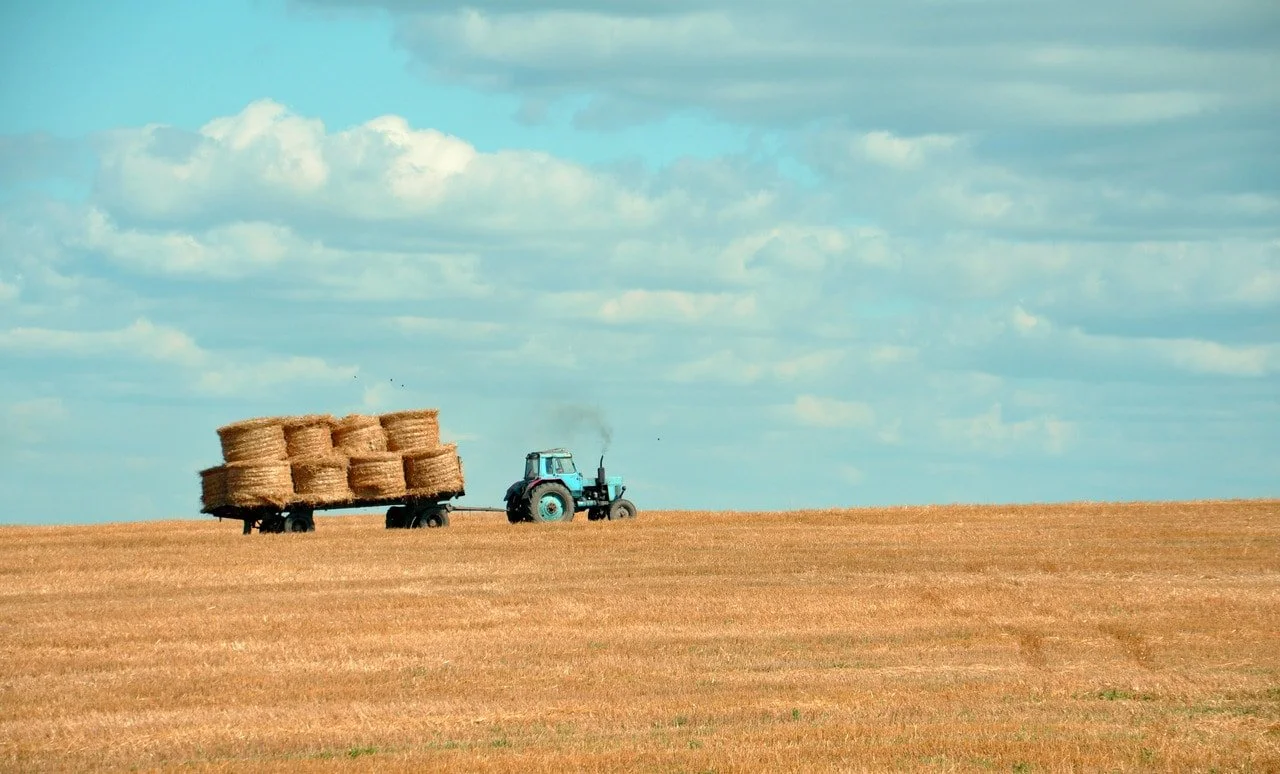
Selling an agriculture or food processing business in BC requires the owner to separate assets that buyers value differently. Land, quota, inventory, equipment, brand and operating cash flow may sit inside one corporate group, but they do not share one valuation method or one buyer universe. Treating the transaction as a single EBITDA multiple usually produces a misleading answer.
The regulatory framework also affects what can be sold and how the business can be used after closing. Agricultural Land Reserve rules prioritize agriculture, restrict many non-farm uses and tightly control subdivision. Supply-managed sectors add marketing-board rules around quota. Owners should resolve the perimeter of the sale before marketing begins.
Start by defining what is actually for sale
An agriculture transaction may include an operating company, farmland, processing buildings, quota, livestock, crops, machinery, trademarks, distribution relationships and a shareholder residence. Some assets may be held personally or in a separate company. A buyer interested in the operating business may not want every parcel or non-operating asset.
The sale plan should show legal ownership, operational use and value for each material component. It should also identify which assets are essential to earnings. This prevents a buyer from valuing the operation on the assumption that land or equipment is included when the seller intends to retain it.
ALR rules affect use, not just ownership
Land in the Agricultural Land Reserve is part of a regulated land-use system where agriculture is the priority. Non-farm activities are restricted, local zoning does not override ALR requirements and most subdivisions require Agricultural Land Commission approval. A purchaser must assess whether the intended operation, processing activity, housing and future expansion comply with both provincial rules and local bylaws.
BC does not impose a blanket prohibition on who may own ALR land. The more important transaction questions are permitted use, subdivision, fill and soil rules, existing approvals and whether the buyer’s business plan is compatible with the property. Sellers should avoid promising development potential that has not been approved.
Land and operating earnings need separate valuations
Farmland may be worth more than the operating business, particularly when the company has modest margins and the land has appreciated. That does not mean the operating business has no value. It means the analysis should normalize the operation to market rent and then value the land independently.
Consider an illustrative processor producing $850,000 of EBITDA while paying no rent to a shareholder-owned property. If market rent is $320,000, normalized operating EBITDA is $530,000. At a 5.0 times illustrative multiple, the operating value is $2.65 million. If the land and buildings are independently worth $8.0 million, the combined gross value is $10.65 million before debt, tax and closing adjustments. Applying the multiple to the unadjusted $850,000 and then adding $8.0 million would overstate value by $1.6 million through double counting.
Quota is a distinct asset in supply-managed sectors
Dairy, poultry and egg operations function within supply-management systems administered through sector marketing boards. Quota supports production rights and may represent a major portion of total value, but transfer rules, pricing mechanisms and eligibility differ by sector. A general agriculture multiple cannot substitute for a quota-specific review.
The transaction model should separate quota, land, livestock, equipment and operating goodwill, then test which components can move together. Financing capacity also matters because a purchaser may need to fund several asset classes with different security and amortization profiles.
Food processing has a broader buyer universe
A processor with defensible products, food-safety systems and customer access may attract national strategics, private-label manufacturers, branded food companies and private equity-backed platforms. Primary producers usually face a more specialized and asset-focused buyer pool. The distinction changes both the marketing process and the information buyers request.
Food processors should document plant capacity, yield, waste, labour, co-packing arrangements, supplier concentration, customer profitability and required certifications. The operational work overlaps with the preparation for selling a manufacturing business, but agricultural supply, food safety and inventory create additional diligence.
Inventory requires more than a book-value schedule
Agriculture inventory can include crops in the field, livestock, bulk ingredients, packaged goods and wine aging over several years. Buyers will examine physical quantity, quality, obsolescence, expected selling price and the costs still required to bring inventory to sale. Accounting value may not equal realizable value.
The purchase agreement should define which inventory is included in working capital, which is priced separately and how seasonal levels are measured. A single closing date can produce an unfair result when inventory peaks only once a year. Monthly and seasonal history is more reliable than a year-end snapshot.
Customer concentration can dominate the structure
A producer may sell most output to one processor, while a food manufacturer may depend on two national retailers. Buyers will assess contract terms, renewal history, shelf position, private-label exposure and the cost of replacing lost volume. Concentration can affect the purchase multiple, lender appetite and the amount paid at closing.
The owner should present the commercial durability of each relationship without pretending the risk does not exist. Where concentration is material, an earnout or holdback may be proposed. Our guide to customer concentration and business value explains the variables buyers test.
Seasonality should shape the sale timetable
Diligence is harder during harvest, calving, production peaks or a major seasonal selling period. Management is busy and the balance sheet can look very different from the rest of the year. A process should be timed around operational reality, not only the owner’s preferred closing date.
Seasonality also affects normalized working capital. If a buyer acquires the company immediately before the cash-generating season, the business may require more inventory and financing at closing. The target should be calculated using monthly data and agreed through the principles in working capital adjustments.
Environmental and regulatory diligence starts early
Agriculture and food transactions may involve water licences, waste management, pesticide and fertilizer records, soil and fill history, animal health, food-safety inspections and environmental conditions on older processing sites. The relevant issues depend on the operation, but discovering them after a buyer has exclusivity weakens the seller’s leverage.
Owners should assemble permits, inspection records, corrective actions and correspondence with regulators. Existing non-farm uses or subdivision history on ALR land should be documented. Legal and environmental advisers can then determine which matters require remediation, disclosure or a specific purchase-agreement allocation.
Choose the transaction structure after the asset map
A share sale may preserve contracts, licences and operating continuity, while an asset sale allows a buyer to select assets and liabilities. Real estate and quota may require separate transfers regardless of the main structure. Tax consequences also differ across land, depreciable property, inventory and shares.
The commercial and tax advisers should work from the same asset map. Our guide comparing an asset sale and a share sale provides the general framework, but agriculture transactions usually require additional sector-specific advice.
Financing feasibility should be tested before the seller accepts a headline price. A buyer may need separate facilities for land, equipment, quota, inventory and operating working capital. If those assets are held in different entities, the collateral and cash-flow paths can be harder to explain. Early lender feedback can identify a structure that looks attractive on paper but cannot close on the proposed terms.
The seller should compare offers by expected proceeds, timing, conditions, continuing exposure and certainty of close. A larger offer with unresolved regulatory approvals and limited financing may be weaker than a well-supported alternative. Our guides to evaluating a business purchase offer and vendor take-back financing help frame that comparison.
Transition obligations should be carefully defined. A buyer may need one full production cycle to understand supplier timing, crop or herd decisions, quality systems and customer commitments. The owner should define what knowledge must transfer, who holds it and how much involvement is realistic. An open-ended transition can become a hidden reduction in the seller’s economic proceeds.
Historical results should be presented by production cycle, not only fiscal year. A year-end cut through planting, harvest, livestock or inventory build can make one period look unusually strong and the next unusually weak. Monthly operating data helps a buyer connect yields, input costs, waste, pricing and cash receipts to the underlying cycle.
The same analysis should distinguish biological or commodity exposure from controllable operating performance. A buyer may accept volatile prices if the company has disciplined contracting, purchasing and margin reporting. When those controls are informal, the buyer is more likely to use conservative forecasts or shift part of the consideration into contingent payments.
Frequently asked questions
Can ALR land be sold to any buyer?
There is no general ALR ownership prohibition based solely on buyer nationality, but the land remains subject to ALR use and subdivision rules, local bylaws and any title restrictions. The buyer’s intended use must be reviewed.
Should farmland be sold with the operating business?
Not automatically. A combined sale may suit a buyer that needs control of the site. Retaining the land under a long-term lease may widen the buyer pool and preserve rental income. Both alternatives require market rent and after-tax analysis.
How is an agriculture business valued?
The analysis often separates operating cash flow, land, quota, equipment, inventory and brand. The appropriate methods depend on which assets are transferable and how buyers use them.
Will a buyer pay full book value for inventory?
Only if quantity, quality and realizable value support it. Aging, spoilage, finishing costs and seasonal pricing can all reduce the amount accepted at closing.
How early should an agriculture owner prepare?
Two or more operating cycles are useful when financial records, permits, land structure or family succession need work. Even a shorter preparation period can improve the asset map, normalization and diligence files.
Next steps
Start with a component-by-component valuation and a decision about which land and operating assets belong in the transaction. KitsWest Capital provides business sale advisory, business valuations and transaction financing, including experience with a major agriculture capital raise.
If you are considering a sale, succession or recapitalization of an agriculture or food business, contact KitsWest Capital for a confidential discussion.